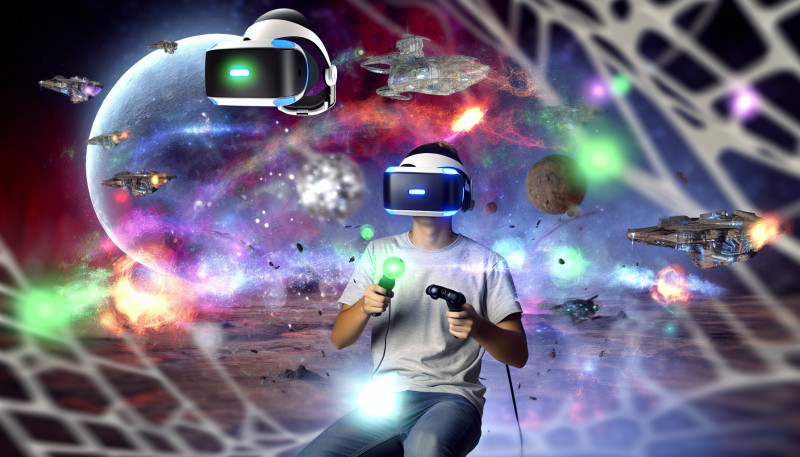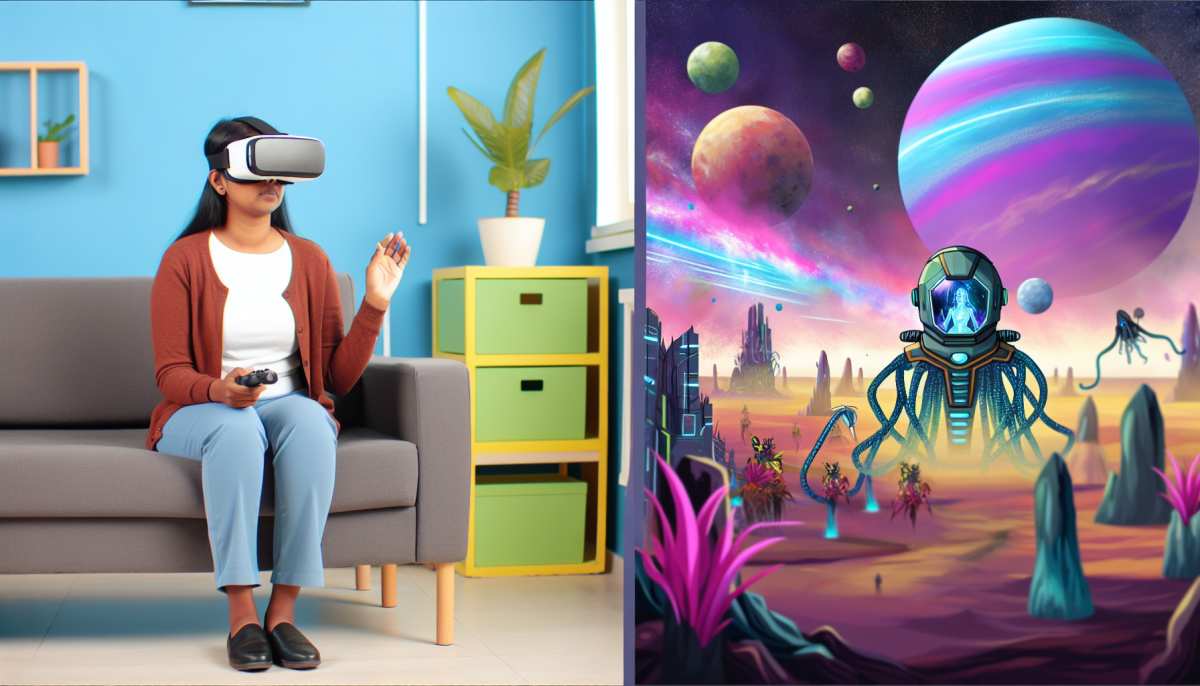
Imagine slipping on a headset and instantly being transported to a bustling city, a serene beach, or even outer space. This is the magic of virtual reality (VR) – it lets you explore new worlds without ever leaving your living room. Whether you're walking through the streets of ancient Rome or soaring above the clouds, the experiences are as diverse as they are captivating.
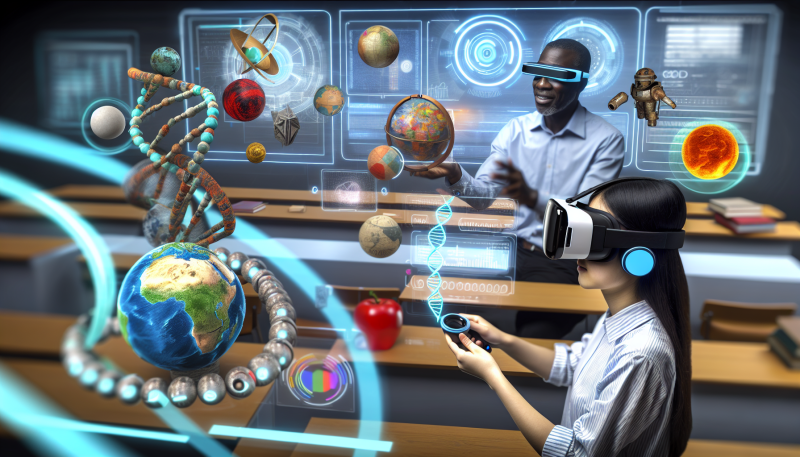
VR isn't just about adventure and fun; it has real-world applications too. For instance, many schools and universities are integrating VR into their curriculums. Students can take virtual field trips to historical sites or explore the human body in 3D. This hands-on learning method can make complex topics easier to understand and a lot more engaging.
Healthcare professionals are also embracing VR for training purposes. Surgeons can practice intricate procedures in a risk-free environment, allowing them to refine their skills and prepare for real surgeries. It’s a way to enhance training while keeping both patients and trainees safe.
If you’re looking for a way to break the monotony of everyday life, VR can also bring an element of excitement and exploration. Whether you want to try out extreme sports or immerse yourself in a different culture, there’s something out there for everyone. It's like having a front-row ticket to a world of possibilities, all from your couch!
Improving Learning and Skills Development
Virtual reality (VR) is more than just a fun way to game; it’s actually changing how we learn and develop new skills. Imagine putting on a headset and instantly stepping into a realistic environment where you can practice everything from surgery to public speaking. Sounds cool, right? This is the real power of VR in education and skills training.
One of the biggest advantages of using VR for learning is its immersive nature. Instead of just reading about a concept or watching a video, you’re actively participating. This hands-on approach can boost retention and understanding. For example, medical students can practice procedures in a safe virtual setting, making mistakes without real-world consequences. It’s like having a simulation lab but right in your living room!
Another great benefit is accessibility. With VR, people from all backgrounds can access high-quality training without the limitations of location or resources. Whether you’re a student wanting to explore anatomy or an employee learning new software, VR offers affordable and engaging options. Plus, it can cater to different learning styles, making it easier for everyone to grasp new information.
Finally, let’s not forget about the social aspect. Many VR platforms allow for collaboration and interaction with peers, which can enhance group learning. Imagine learning a new language by chatting with friends in a virtual café or practicing teamwork on a VR project. This level of engagement not only makes learning fun but also builds important interpersonal skills that are crucial in the real world.
Enhancing Social Connections and Experiences
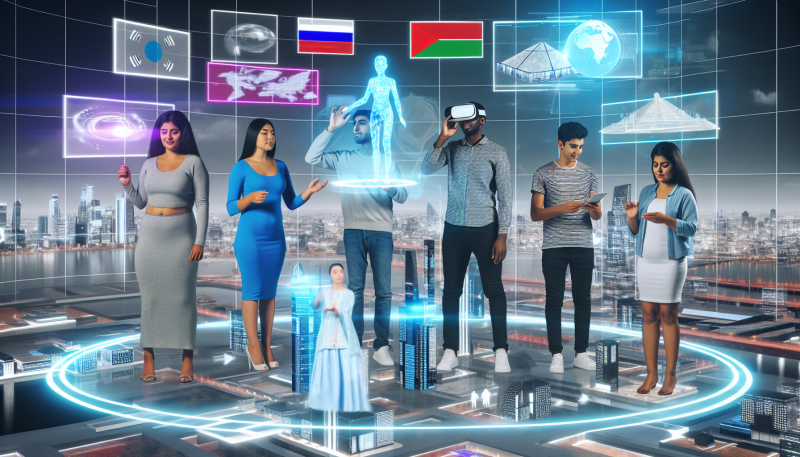
Virtual reality isn’t just about gaming and entertainment; it’s opening doors to new social experiences that many of us might not have imagined. Imagine being able to hang out with friends from across the globe in a virtual café. You can share laughs, play games, or even attend concerts together, all from the comfort of your living room. It’s a unique way to stay connected, especially when distance or busy schedules get in the way.
One of the coolest things about VR is how it brings people together for events and activities that would ordinarily be impossible. Think virtual meet-ups, workshops, or even guided tours in stunning locations. You can learn a new skill alongside people who share your interests, all while feeling like you’re right there with them. The engagement level is often through the roof because it’s more immersive than just a video call.
For those who might feel shy or anxious in social settings, VR can be a great way to connect with others at a pace that feels comfortable. You can step into a virtual world and try new things without the pressure of being in an unfamiliar place. This can really help boost confidence and break down barriers, making it easier to meet new friends.
VR isn't just a solo experience; it's designed for collaboration too. Whether you're brainstorming ideas for a project, creating art together, or even engaging in friendly competition, the potential is endless. This not only enhances creativity but also strengthens bonds through shared experiences that are genuinely memorable.
Boosting Mental Health and Wellbeing
One of the best parts about VR is its ability to create controlled environments for therapy. Therapists are now using VR for exposure therapy, helping patients face their fears in a safe and controlled setting. For example, someone with a fear of flying can practice being in an airplane, all while being guided by a professional who understands their needs. It turns anxiety-filled situations into manageable experiences.
People dealing with PTSD have also found relief through VR. By revisiting their memories in a safe space, they can process their experiences in a way that feels less overwhelming. This virtual perspective is helpful because it allows for gradual exposure, making it easier to confront difficult feelings without feeling alone or unsupported.
VR can also promote mindfulness and relaxation. With many apps focused on meditation and mindfulness, users can escape to beautiful, calming environments where they can practice deep breathing and meditation. This combination of visual stimulation and mindfulness practices can help lower stress levels and enhance overall emotional wellbeing.
Whether you're dealing with anxiety, stress, or simply want to unwind, VR offers some exciting possibilities. It’s a fresh approach to mental health that many are finding effective and enjoyable. So, if you’re curious, why not give it a try? You might just discover a new favorite way to boost your mood and mental clarity!