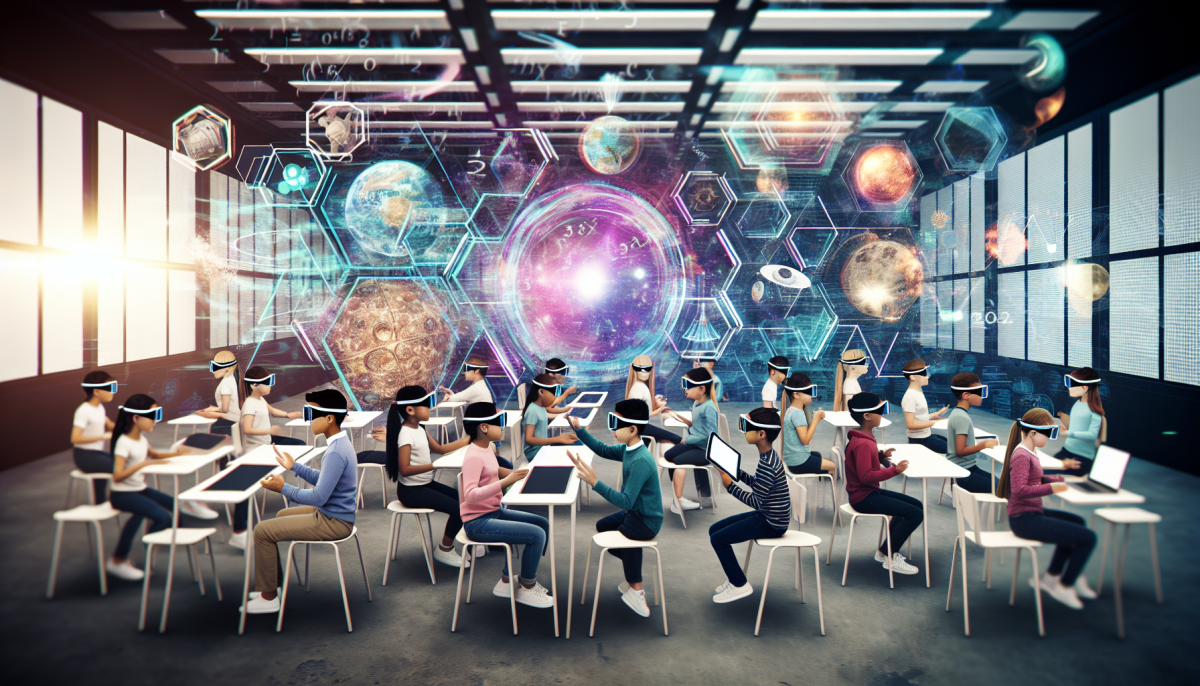
Augmented Reality (AR) has taken the learning world by storm, making education a lot more engaging and fun. Imagine being able to dive into a 3D model of the solar system right in your classroom! AR brings those incredible experiences to life, allowing students to interact with subjects in a way that textbooks just can’t offer.
One of the coolest things about AR is how it can make abstract concepts much easier to grasp. For instance, when learning about the human body, students can use AR apps to visualize organs and systems. This hands-on approach helps them understand how everything works together, making learning not just about memorizing facts, but truly comprehending the material.
AR also encourages collaboration and teamwork. Students can work together on projects, using AR tools to create presentations or simulations. This not only builds social skills but also makes learning more dynamic and enjoyable. Plus, sharing ideas and seeing their peers’ perspectives leads to deeper learning experiences.
And let’s not forget about accessibility. With AR, lessons can be tailored to meet different learning styles. Visual learners can benefit from interactive displays, while kinesthetic learners can engage through hands-on activities. This personalized approach helps everyone feel included and empowered in their educational journey.
Key Benefits of AR in Education
Augmented Reality (AR) brings a whole new level of interactivity to education, making learning more engaging and effective. One of the biggest benefits is that it transforms traditional lessons into immersive experiences. Imagine students exploring the human body in 3D or walking through historical events right in their classroom. This hands-on approach can make understanding complex subjects so much easier!
Another great perk of AR in education is its inclusivity. It caters to different learning styles. Visual learners can see concepts come to life, while kinesthetic learners can interact with them directly. This means every student can grasp the material in a way that resonates with them. With AR, teachers can help ensure that no one gets left behind.
AR also boosts motivation and engagement. When students use AR apps or devices, they're often more excited about learning. It turns studies into a kind of game, where they can explore and experiment without the fear of making mistakes. This kind of environment makes students more willing to dive deep into subjects they might otherwise shy away from.
Finally, AR can support collaboration among students. Group projects can become much more dynamic when students work together to create content or solve problems using AR tools. This not only enhances teamwork skills but also fosters a sense of community in the classroom. With AR, students aren’t just learning in isolation; they’re actively participating in shared experiences.
Real World Applications of Augmented Reality
Augmented Reality (AR) is changing the way we learn in schools and beyond. Imagine students exploring the solar system in science class without leaving the classroom! With AR, they can interact with 3D models of planets and learn about their characteristics right in front of them. This hands-on experience makes learning more engaging and fun, capturing the imaginations of young minds.
In history lessons, AR can bring ancient civilizations to life. Picture this: walking through a digital reconstruction of ancient Rome or seeing a famous painting come to life with a short video explaining its significance. These immersive experiences not only make history more relatable but also help students retain information better by experiencing it rather than just reading about it.
Language learning is also getting a boost from AR. Students can point their devices at objects around them and instantly get translations or language lessons. This real-time interaction helps reinforce vocabulary and pronunciation in a memorable way. It’s like having a personal tutor available at all times!
Even in art and design courses, AR can play a pivotal role. Students can visualize their projects in the real world before they create them. For example, using AR apps, they can see how their art pieces fit into different environments or even how designs look on different materials. This not only sparks creativity but also enhances their understanding of spatial relationships in design.
The Future of AR in Classrooms
Augmented reality (AR) is not just a cool tech trend; it’s turning classrooms into interactive learning hubs. Imagine students exploring ancient civilizations without leaving their desks. With AR, they can dive into 3D recreations of historical sites, providing a unique and immersive experience that textbooks just can’t match.
One of the most exciting possibilities is personalized learning. AR can adapt to each student’s pace, offering targeted exercises and resources based on their needs. This means everyone, whether struggling or excelling, can find the right level of challenge and engagement that keeps them motivated and interested.
Think about science classes where students can visualize complex concepts like the human body or ecosystems. Instead of memorizing charts and diagrams, they can manipulate 3D models right in front of them. This hands-on approach not only makes learning more enjoyable but also fosters deeper understanding and retention.
And it doesn’t stop there! Teachers can also leverage AR for collaborative projects. Students can work together in virtual spaces, sharing ideas and creating presentations that blend their contributions in real-time. This keeps the spirit of teamwork alive, even in a digital format.